“The Karakoram Pass is where the Silk Road touched the sky—linking Pakistan, China, and beyond through landscapes as harsh as they are historic.”
On the Silk Roads – The Karakoram Pass ⛰️🇵🇰🇨🇳
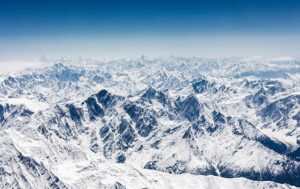
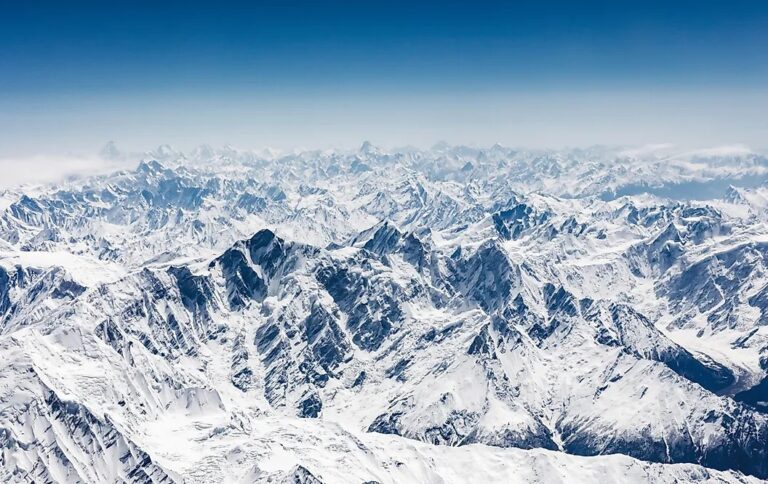
At 5,540 meters above sea level, the Karakoram Pass is one of the highest and most legendary crossings of the Old Silk Road. Once a thriving artery of trade, it linked Ladakh (India) with Yarkand (Xinjiang, China) and connected onwards to Pakistan through the Karakoram Range.
Though bleak and windswept—with no vegetation, no wildlife, and trails still littered with the bones of pack animals lost to blizzards—the Pass was vital for merchants carrying silk, spices, and gems. Caravans from Kashgar, Yarkand, Tibet, Kashmir, Punjab, and Central Asia once converged here, making Leh a flourishing Silk Road hub.
🚧 Strategic & Geopolitical Significance
The Karakoram Pass lies near the Pakistan–China–India tripoint, close to the Siachen Glacier, an area disputed by India and Pakistan.
In 1963, the Sino-Pakistan Agreement established the Pakistan–China boundary in this high-altitude region, a border that today forms the backbone of their strategic partnership.
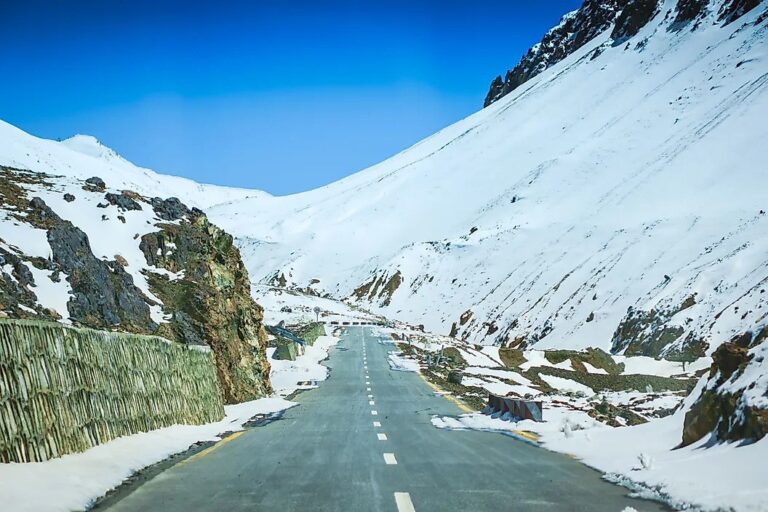
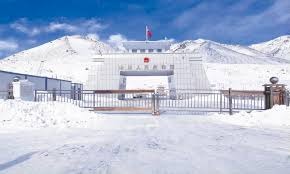
To the west lies the Khunjerab Pass, the only motorable route across the Karakoram today, which anchors the Karakoram Highway—a modern Silk Road and lifeline of the China–Pakistan Economic Corridor (CPEC).
📜 From Silk Road to Geopolitics
The Karakoram Pass once symbolized connection and exchange, but since 1949, when China took control of Xinjiang, it has been closed to trade. What was once a busy trade artery has become a silent frontier—yet it continues to shape the geopolitics of South and Central Asia.
“The Karakoram Pass is where the Silk Road touched the sky—linking Pakistan, China, and beyond through landscapes as harsh as they are historic.”
📍 Karakoram Pass, at the edge of Pakistan–China–India frontiers